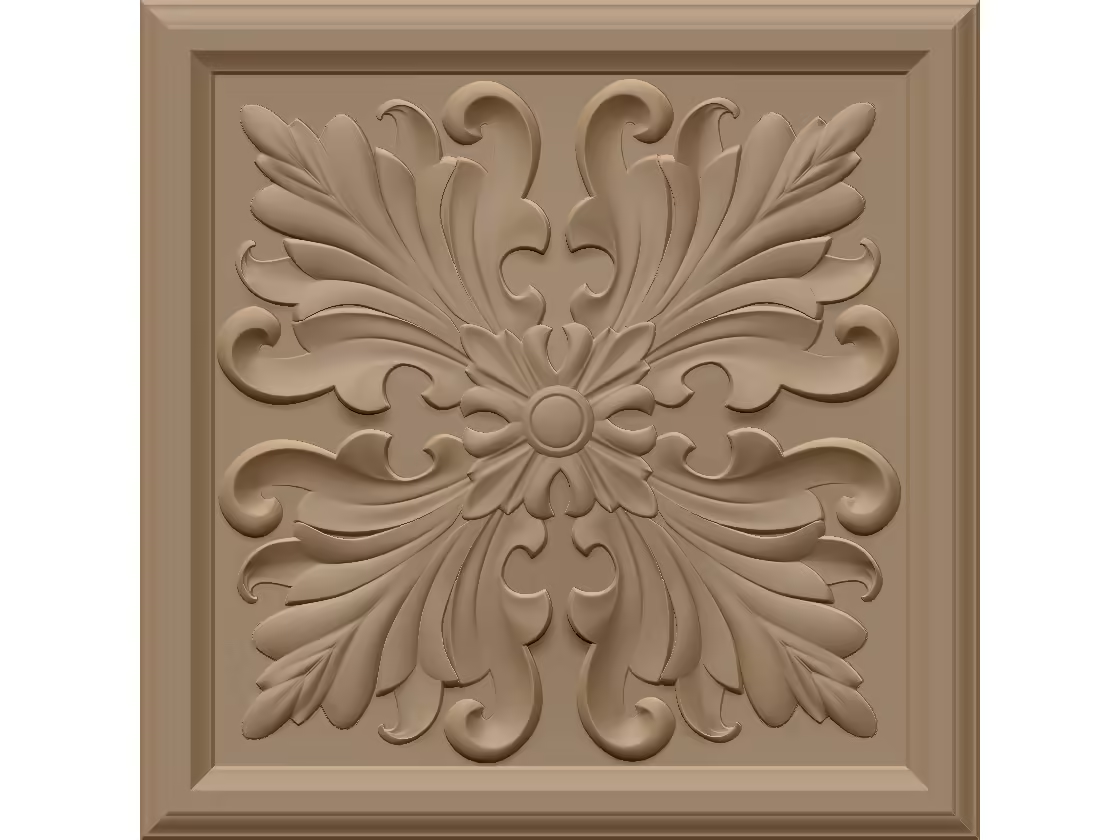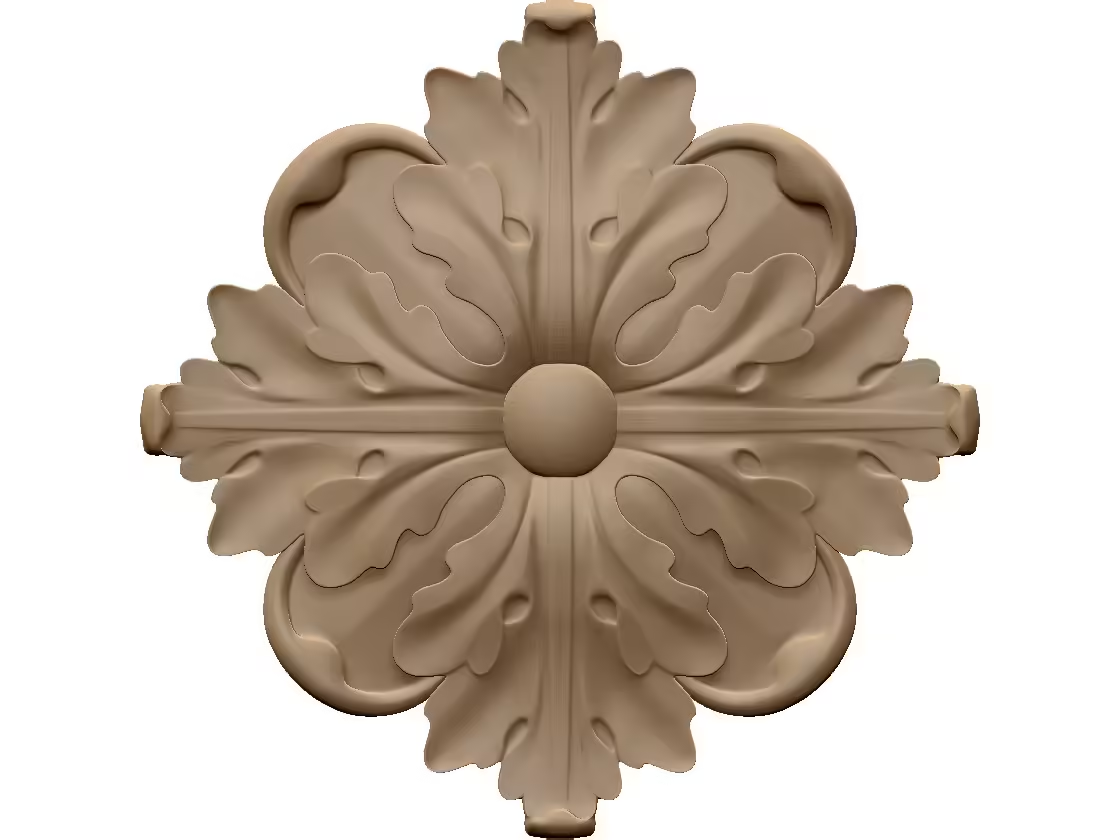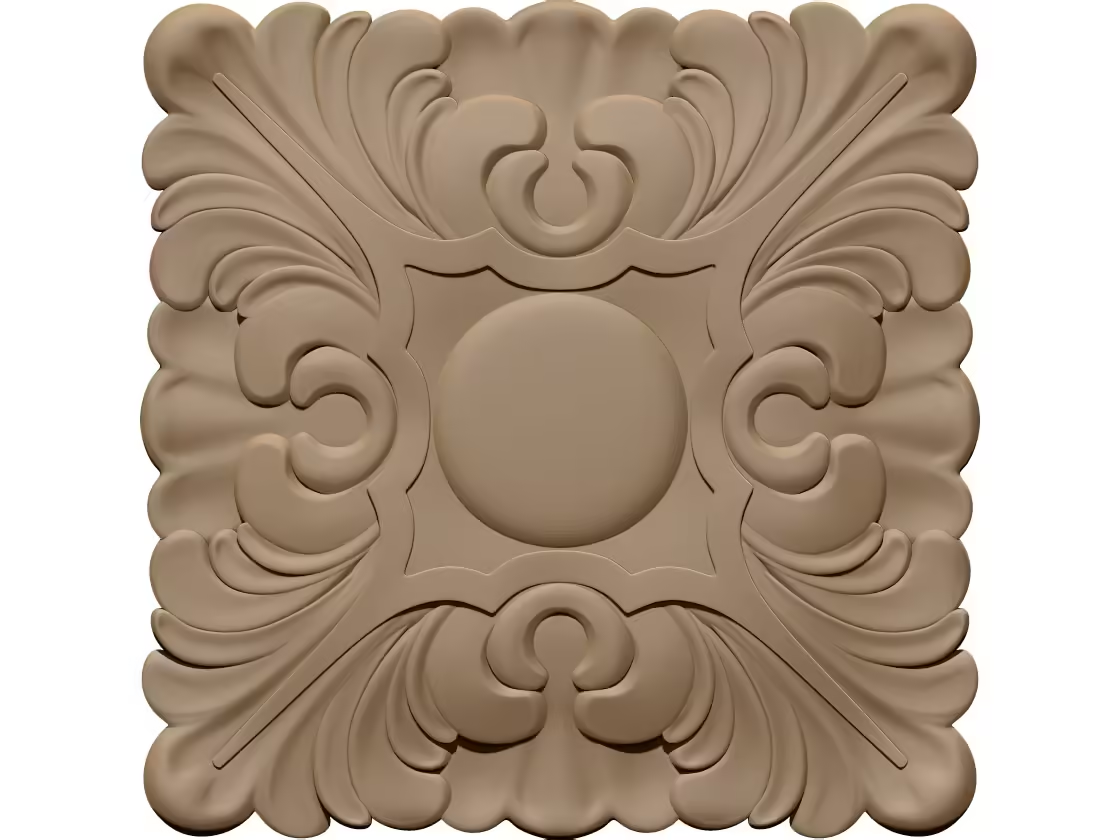
Traditional Detail, Precisely Reproduced
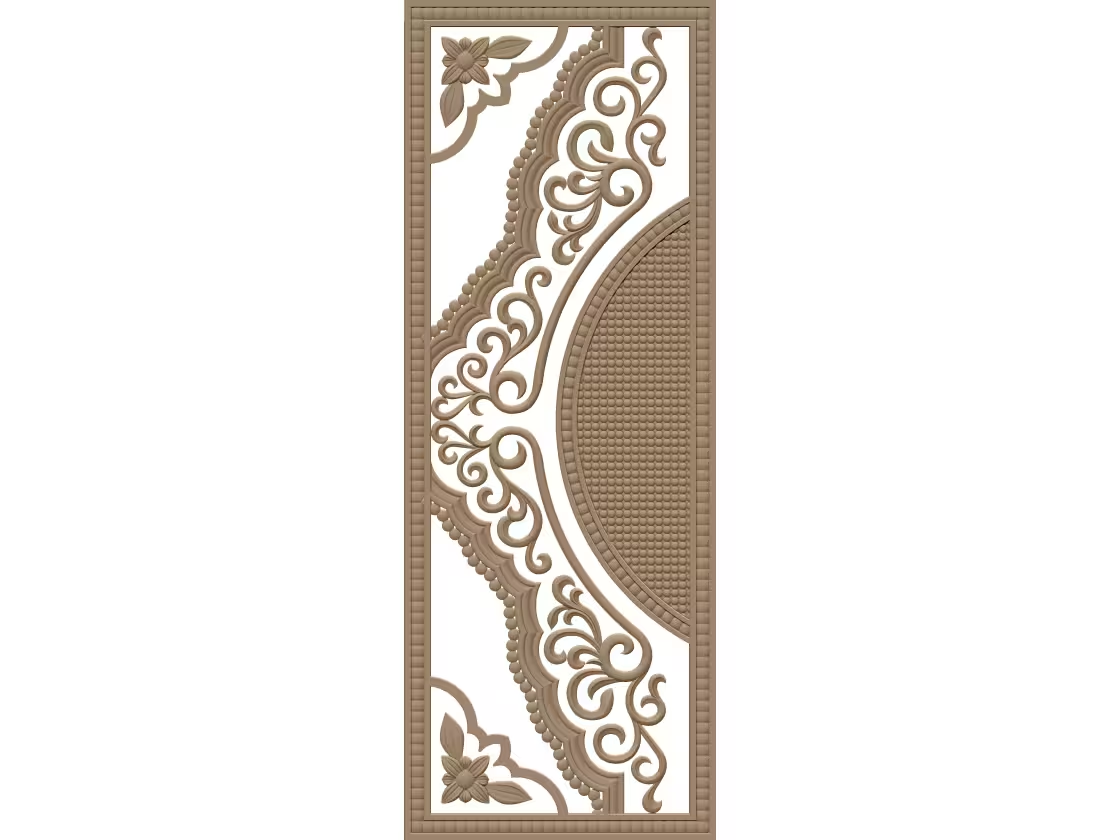
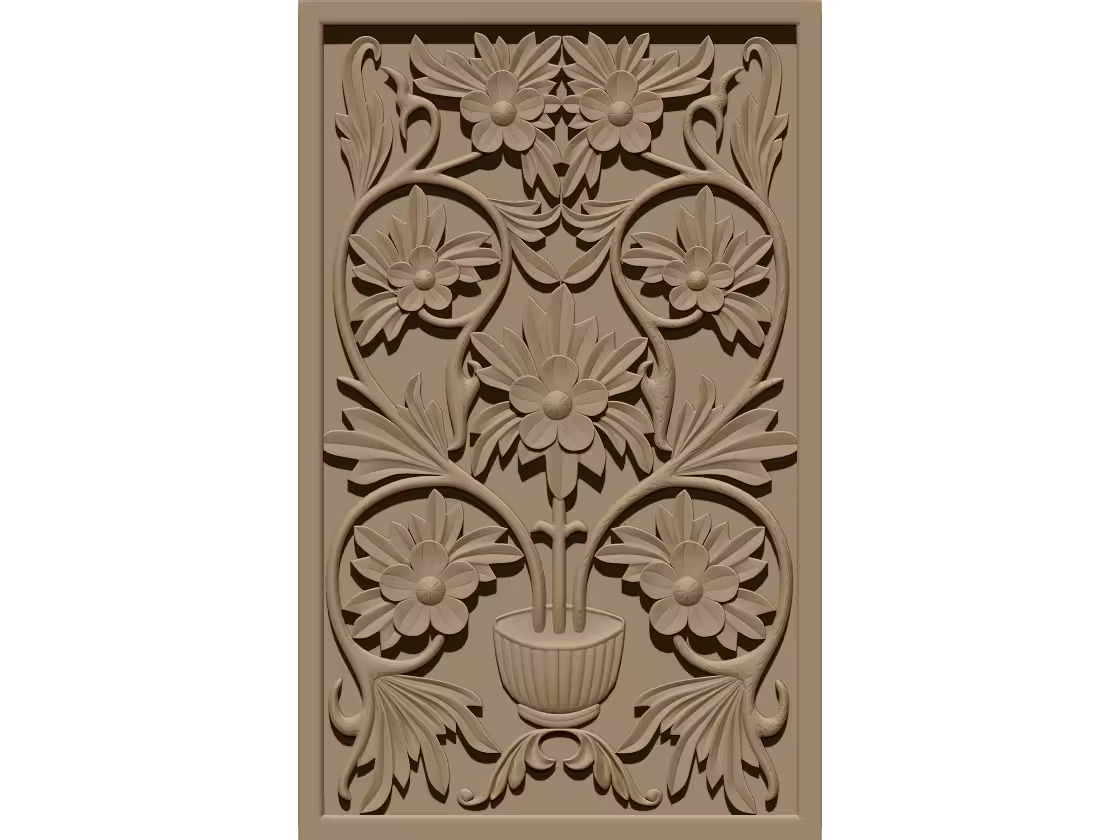
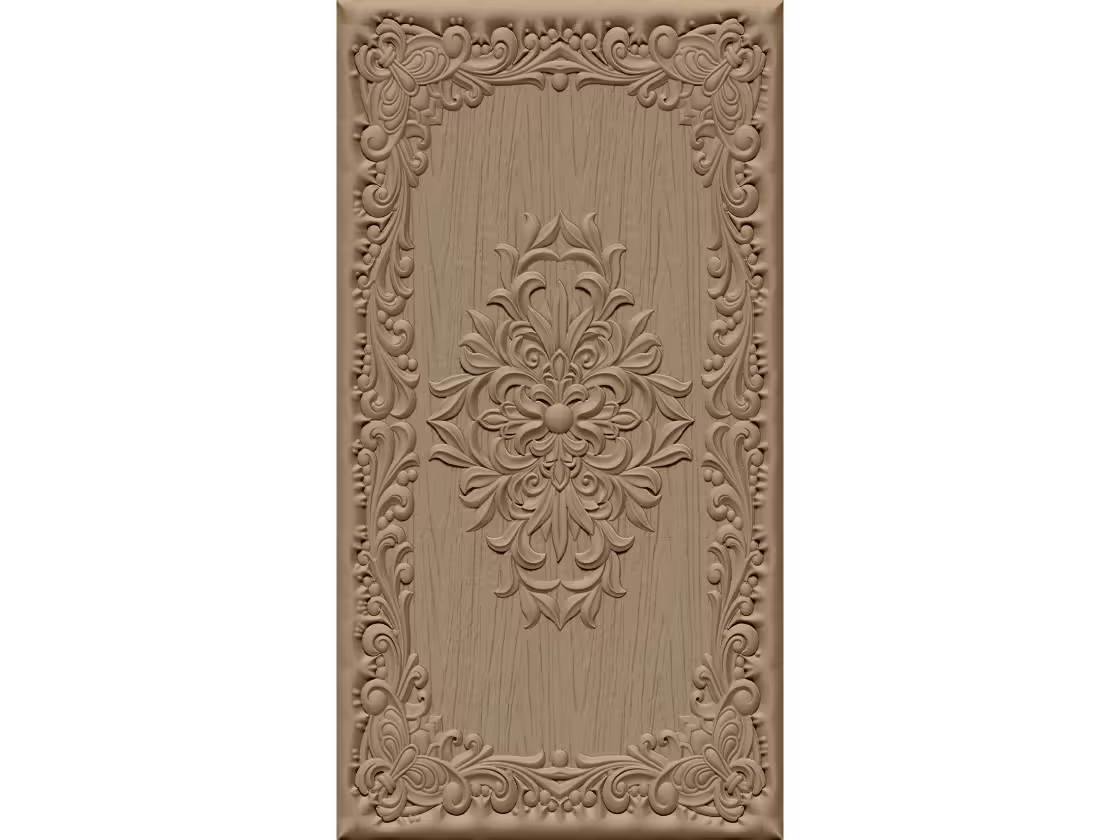
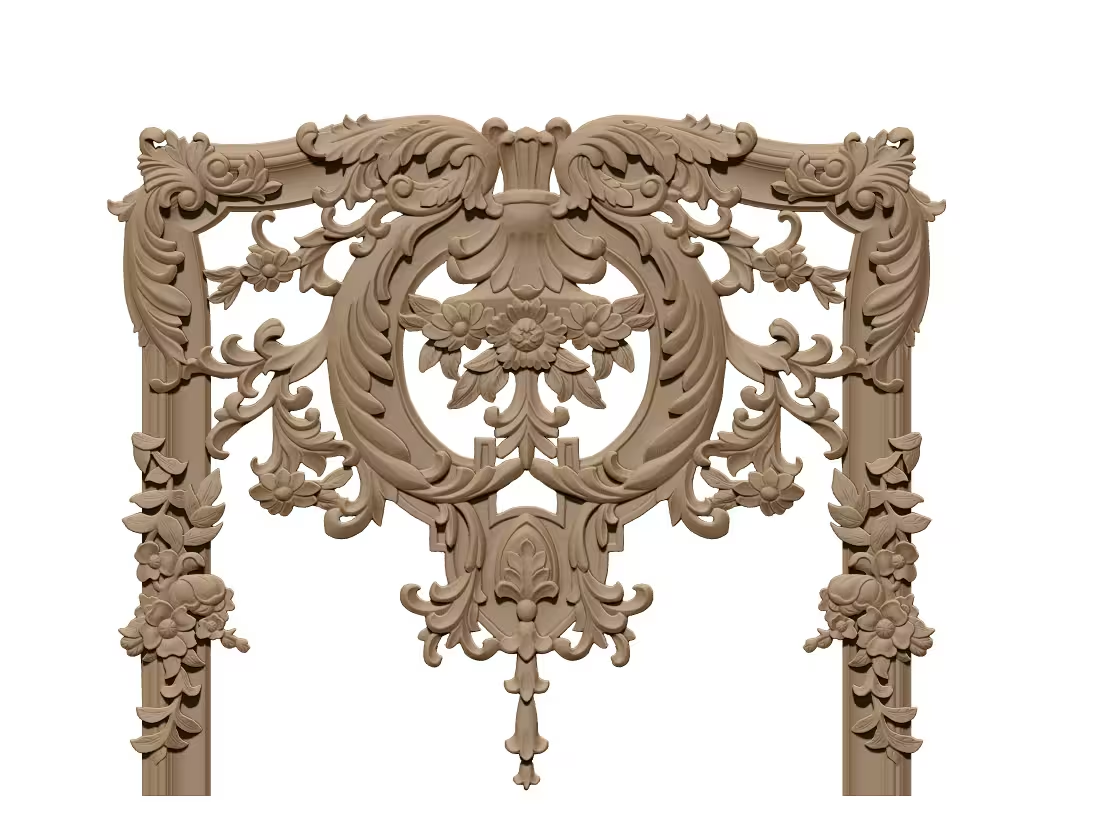
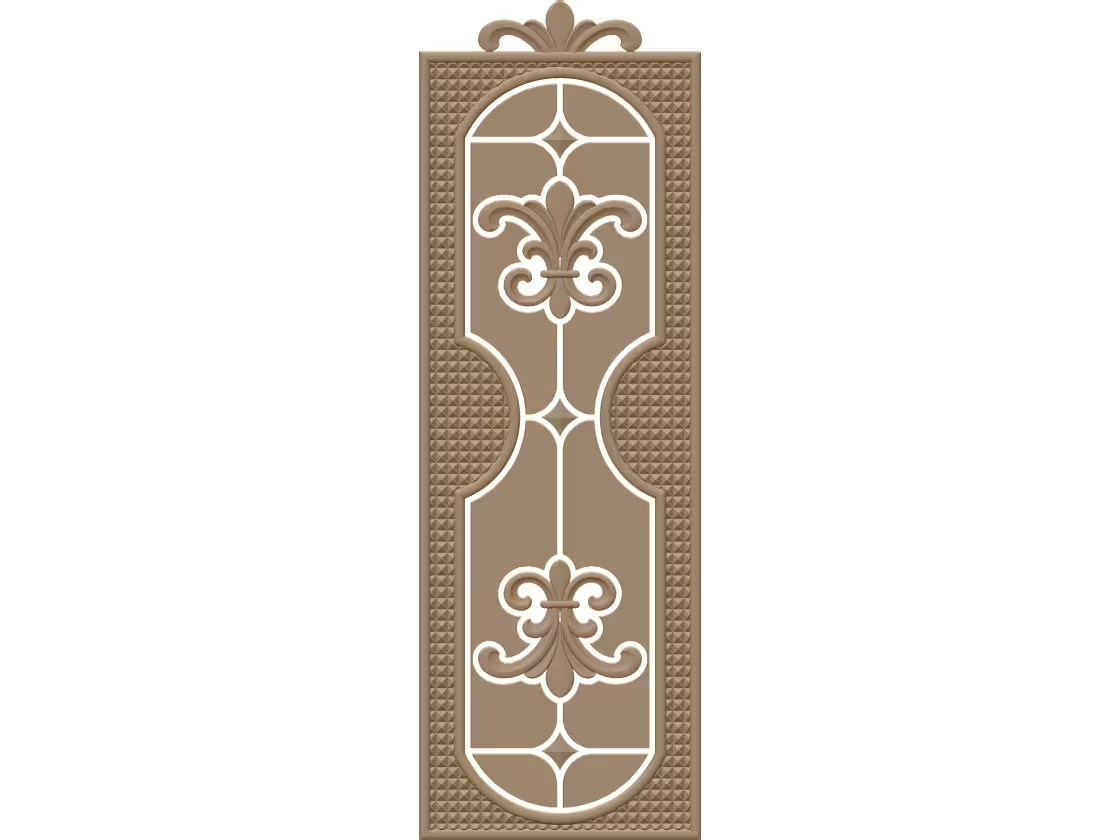
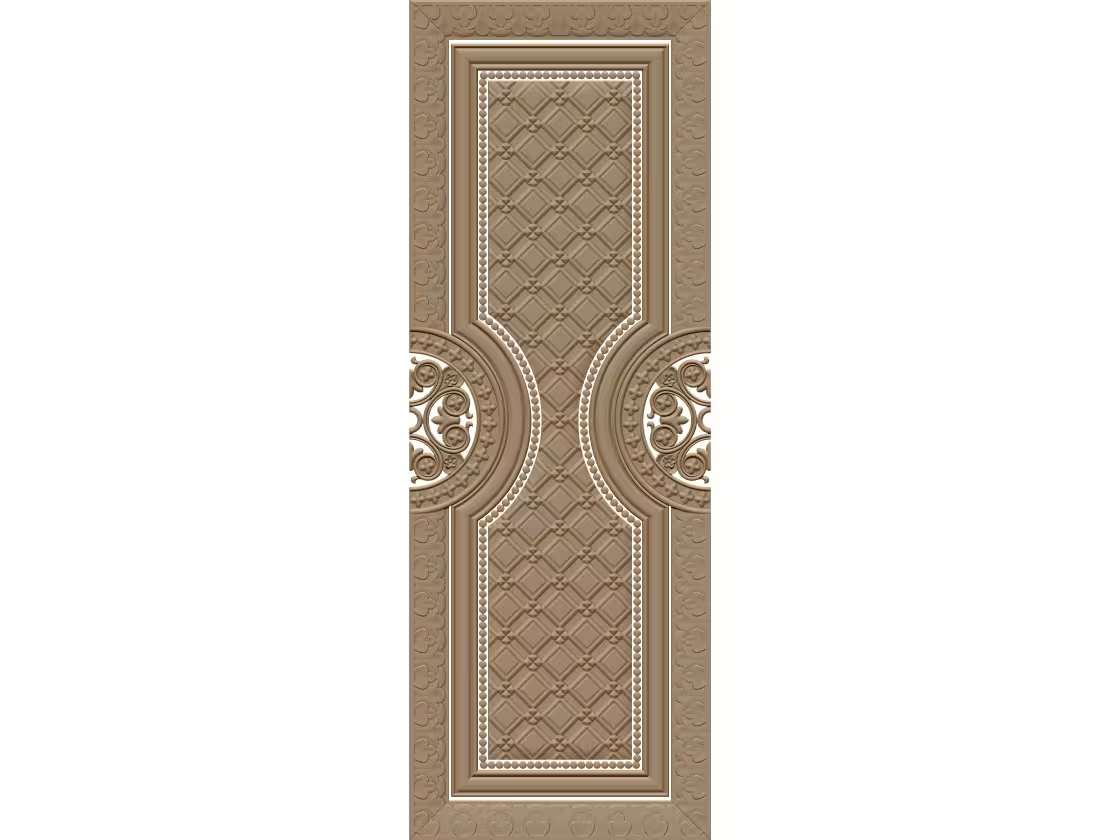
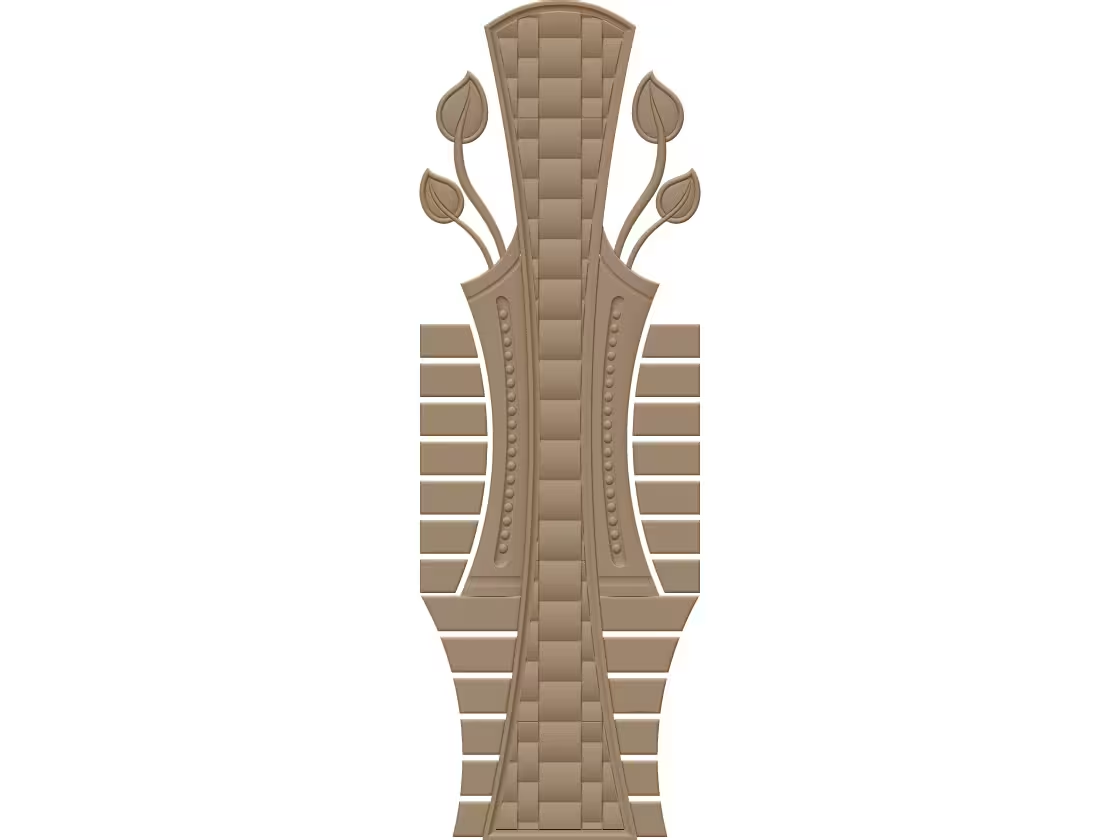
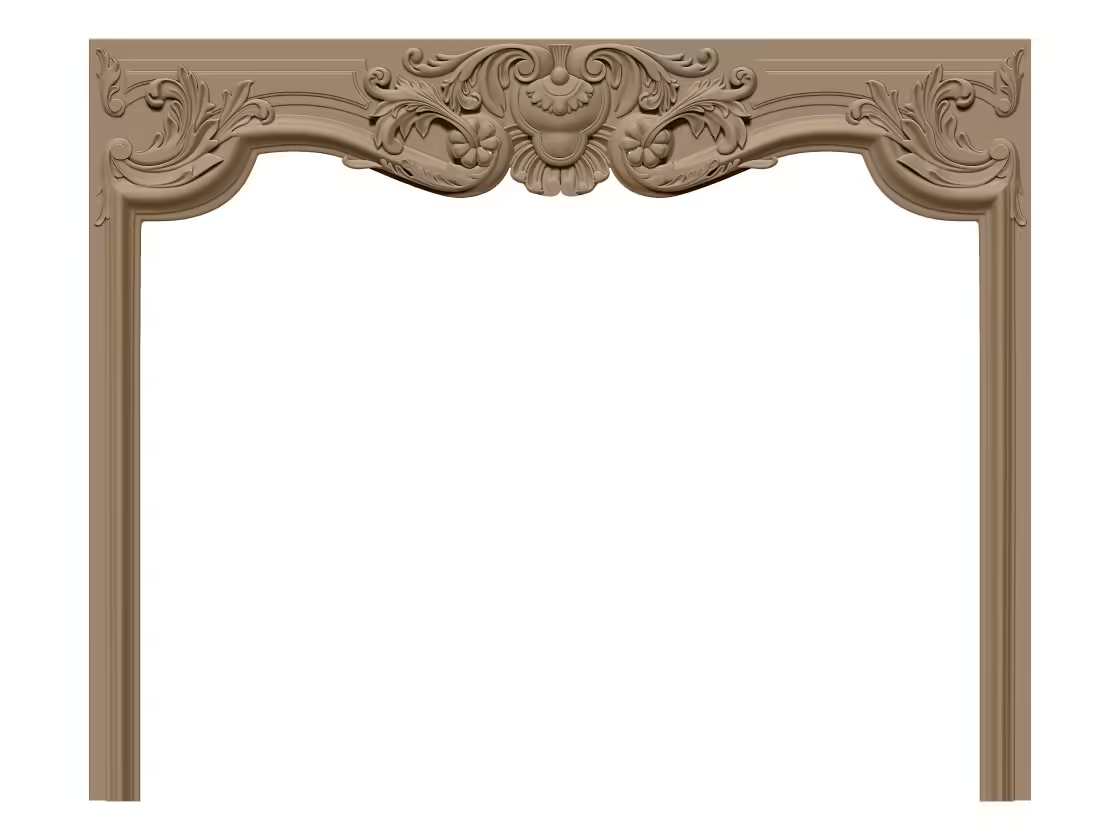
A classic three-dimensional door pattern brings depth and craftsmanship to an otherwise plain surface. Raised panels, flowing borders, and ornamental accents can evoke the character of traditional joinery while benefiting from the accuracy of modern CNC router cutting. A well-prepared STL model translates these design details into a form that can be machined consistently, whether the goal is a single custom door or a coordinated set of decorative panels.
Before cutting, review the model’s proportions and relief depth in relation to the door’s dimensions. Fine details that look striking on a screen may be too small to reproduce cleanly at the chosen scale, while deep contours can require additional machining time and suitable material thickness. Checking these factors early helps preserve the pattern’s visual balance and practical strength.
Preparing the STL for Machining
An STL file describes a surface as a mesh of triangles, so mesh quality matters. Look for a model with clean, continuous surfaces and enough resolution to represent curves without visible faceting. The file should also be oriented and scaled appropriately for the intended workpiece. In CAM software, assign toolpaths that suit both the broad relief and the smaller decorative features. A larger bit can remove material efficiently, followed by a finer tool for crisp edges and smoother transitions.
Material choice influences the final result. Hardwood can emphasize a refined, traditional appearance, while MDF offers a uniform surface that is often suitable for painted finishes. In either case, secure the stock firmly and consider a test cut in a comparable offcut. This allows feed rates, cutting depth, and tool selection to be assessed before machining the finished door.
Finishing and Design Considerations
After cutting, remove dust and inspect the relief for tool marks or delicate areas that need careful sanding. Apply a finish suited to the material and the door’s intended use. A restrained stain or paint can highlight the raised pattern without obscuring its shape.
A thoughtfully chosen classic 3D door pattern combines decorative character with manufacturable detail. Careful preparation, appropriate tooling, and a considered finish help turn an STL design into a durable, polished feature.
Thank You for Being Here
We’re so happy you stopped by! We hope you enjoy your experience and discover the perfect CNC design files for your projects. If you ever need assistance, don’t hesitate to reach out. We’re always glad to help.
Wishing you happy carving, smooth projects, and endless creativity! ✨😊